Be The Healthy U!
  • Healthy Blog
  • Healthy Recipes
  • Online Cooking Classes
  • I Can Help
  • 28-Day Program
  • Healthy Dog Blog
  • About Terri
  • Resources
  • Ask Dr. Terri
  • Testimonials

The Magic of Soup

9/30/2013

4 Comments

 
Picture
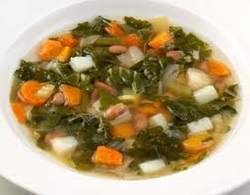
It’s fall and the weather is beginning to cool off. While the days may still be warm, the nights are getting colder, and maybe you’ve even had to turn on some heat. I know I did when I awoke to a temperature of 38° a few days ago. We’re also heading into cold and flu season. What better time to start thinking about hearty soups that are loaded with vegetables, whole grains, beans, and legumes! Here’s why:
  • Soup has a high water content that fills you up and helps restore your water balance, which in turn helps control blood pressure
  • Soup is high in fiber, both soluble and insoluble, which fills you up, helps eliminate fat, and detoxifies.
  • Soup is low in fat, which aids in weight loss, helps lower cholesterol, and reduces risk of cardiovascular disease.
  • Soup is high in nutrient density, thus it’s high nutrition and low in calories, which helps build immunity and lose weight.
  • Soup retains nutrients that are lost from cooking veggies because those nutrients are captured in in the broth.
  • Soup helps you get well faster if you’re sick.
  • Soup warms you up and makes you feel good.
  • Soup is easy to make!
The magic of soup is in the ingredients. Here are some of the benefits you will experience from common ingredients found in soup:
  • Carrots – b-carotene found in carrots is an antioxidant that helps protect vision, reduces the risk of heart disease and some cancers, fights infection; destroys bacteria and viruses, and slows aging.
  • Tomatos – carotenoids found in tomatoes, including lycopene, are antioxidants that are anti-inflammatory, destroy toxins, help protect against cancer, and reduce risk of cardiovascular disease, asthma, and chronic lung disease. 
  • Leafy Greens – spinach, kale, cabbage  – loaded with antioxidants (vitamin C, vitamin E, beta-carotene, manganese, zinc, and selenium) and flavonoids, vitamin K, and other phytonutrients, greens help fight cancer, high blood pressure, cardiovascular disease, osteoporosis, and inflammation, helps protect the eyes, bones, and intestinal tract, is good for digestion, eases constipation, flushes toxins out of the colon, and improves skin health.
  • Potatoes – filled with vitamin C, B vitamins, potassium, magnesium, and iron, potatoes provide the body with an essential source of fuel, help lower blood pressure, protect against cardiovascular disease, and helps us respond to stress. 
  • Beans and legumes – rich in soluble fiber, protein, folate, magnesium, iron, potassium, zinc, vitamin C (kidney beans) vitamin B6, calcium (white beans), and other phytonutrients, beans and legumes help lower cholesterol, triglycerides, and blood pressure, reduce the risk of coronary artery disease, diabetes, and osteoporosis, keep skin and hair healthy, help prevent arthritis, help protect eyes and bones, and help manage arthritis. 
  • Barley – a whole grain that’s loaded with nutrients and antioxidants, is rich in protein, calcium, magnesium, phosphorous, potassium, selenium, copper, and manganese, barley lowers cholesterol, stabilizes blood glucose levels, protects against some cancers, helps the immune system, and detoxifies.

4 Comments

Streets of Lancaster Grand Prix: Eating Healthy at Street Festivals

9/29/2013

0 Comments

 
Picture
This weekend was the Fifth Annual Streets of Lancaster Grand Prix, a three-day festival of go-kart racing through the streets of downtown Lancaster. Billed as the nation’s fastest go-kart Grand Prix, the cars, just an inch off the ground, race at just under 100 mph.

The festival included perfect weather, food, live music, arts and crafts, mom-and-pop businesses, fun for kids, and a display of classic cars. The aroma of grilled and smoked meats and fried foods filled the air. While much of the food sold at street festivals may smell and taste great, it’s loaded with saturated fat and cholesterol that it clogs your arteries and makes you fat.

The good news is that food vendors are responding to the growing interest in healthy fare at the fairs and festivals. Submarina, a sub shop, was selling sub sandwiches this weekend, a healthier alternative with both vegetarian and vegan options available. Many vendors, even those that sell high-fat foods, offer some kind of salad, which is great (be sure to ask for the dressing on the side as they tend to drench the lettuce in dressing). I’ve even been to fairs recently with vegan food vendors. Of course, the classic giant ears of roasted sweet corn, without butter, has always been one of my favorite festival foods! And to me, one of the best things about eating healthy at festivals and fairs is feeling great after enjoying a fun-filled day!

0 Comments

Flu Shots

9/28/2013

0 Comments

 
Picture
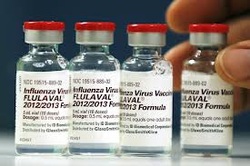
A flu shot is an injection of a vaccine that was made to protect against the three or four influenza (flu) viruses that, based on research, are expected to be the most common in the upcoming season. Traditional flu vaccines protect against three different flu viruses, including two influenza A viruses and one influenza B virus. A new vaccine is available this season that protects against four different flu viruses, including two influenza A viruses and two influenza B viruses. Although, the Centers for Disease Control (CDC) does not recommend one flu vaccine over the other.

A flu shot cannot give you the flu because the viruses in the vaccine have been inactivated and are therefore not infectious. However, even if you do get a flu shot, you could still get the flu. There are many more flu viruses than the three or four viruses covered by the flu shot, and you could be exposed to a flu virus that’s not covered if one is going around. Other ways you could get the flu are by being exposed to a flu virus before getting the flu shot or less than two weeks after getting the flu shot, before your body gains protection.

Flu vaccines are approved for anyone at least 6 months of age, and are recommended for everyone who is at least 6 months of age. Be aware that some of the vaccines are manufactured using virus grown in eggs, so if you are allergic to eggs, be sure to let the administrator of the vaccine know so that you don’t get injected with one grown in eggs. As an alternative, you can request one grown in cell culture if you’re 18 or older. For more information, go to the CDC website (http://www.cdc.gov/flu/about/qa/flushot.htm) or ask your doctor.

Last year I did not get a flu shot, and it was the first time I ever made it through an entire flu season without getting sick at all. In fact, I haven’t been sick in about a year and a half, which is extremely unusual for me given that I typically get sick 2-3 times every year. I attribute that to my whole food plant-based lifestyle, which I’ve been practicing for almost two years. Yet another great reason to eat lots and lots of whole, plant-based foods!

0 Comments

97 and Counting!

9/27/2013

0 Comments

 
Picture
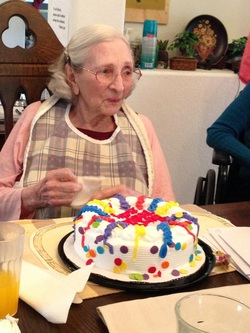
My Grandmother turned 97 years old today. I think it’s quite remarkable that not only has she been alive for nearly 100 years, she’s also physically still in excellent health. Although unfortunately she does have dementia, a cognitive impairment. My Grandmother is still able to walk with a walker, and her doctors are always quite impressed with her. I attribute that to her lifetime commitment to taking care of herself by exercising and eating right. Her exercise of choice was swimming, which she began as a young girl. She swam competitively in high school, and continued to swim several times a week until she was 92 years old. She never complained about not wanting to exercise or not having time, she just did it.

She always watched her diet as well, and kept up with the latest in terms of diet and nutritional advice and recommendations. Even though she was never vegan, she introduced nondairy milks into her household back in the 1990s, long before it was mainstream. Because of her, I learned to enjoy nondairy milks many years before I gave up dairy, which made it that much easier for me when I did give up dairy. In fact, I probably learned to enjoy lots of less-traditional, healthier foods because she was always open to trying anything that was healthy, and sometimes that was all there was to eat in her house.

My Grandmother has always been my hero and my inspiration, and I want to be like her when I grow up!

Happy Birthday Grandma!!! And many more!!!

0 Comments

Better than Egg Salad

9/26/2013

0 Comments

 
Picture
Before giving up animal-based foods, I used to love egg salad sandwiches. The soft, smooth, rich, creamy texture of the hard boiled eggs all mashed up in mayonnaise with crunchy pieces of diced celery and onions between two slices of bread was so tasty and satisfying. One of the many foods I used to eat that’s now buried in my past.

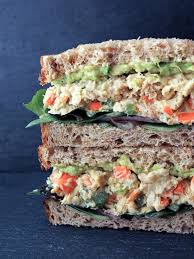
And then, I came across something even better: chickpea salad! Now, I know that may not sound very exciting, but if you like foods that are creamy, rich, and satisfying, you are going to love this! The chickpeas are mashed and mixed with hummus and other ingredients into an amazingly great tasting and filling salad! Making it into a sandwich with mashed avocado is absolutely heavenly! And the best part is that unlike egg salad, chickpea salad has no cholesterol or saturated fat!

Enjoy the chickpea salad in a sandwich, over a bed of lettuce or leafy greens, as a spread on whole grain crackers, wrapped in a tortilla or collard greens or as a dip. You can find the recipe here.

0 Comments

Do Microwave Ovens Destroy Nutrients?

9/25/2013

4 Comments

 
It sure is quick and convenient to heat up food in a microwave oven, especially when the food is already in a microwaveable container, because then it can go straight from the freezer or fridge into the microwave and be ready to eat in a matter of minutes! However, I’ve heard and been told that it’s bad to use a microwave oven to cook or heat up food because it destroys the nutrients in foods. It seemed to make sense, and I found myself obligingly turn to using the stove top or oven to heat my foods. Then I decided to find out for myself if it’s true that microwave ovens destroy nutrients.

I turned to the internet and found that there are two opposing viewpoints: 1) that microwave ovens do not destroy nutrients, and in fact, may be better than conventional cooking methods; and 2) that microwave ovens do destroy nutrients, even to the point of threatening your health. Now, keep in mind, I’m only addressing the effect of microwave ovens on nutrients. I’m not getting into whether or not microwave ovens are safe.

According to the Harvard Medical School Family Health Guide (1), some nutrients break down when exposed to heat, regardless of the source (microwave or regular oven), and the longer the exposure to heat, the more the nutrients break down. Nutrient content is probably better preserved when cooking with a microwave oven because of the shorter cooking times.

Cooking vegetables in water is problematic because many nutrients are water-soluble. Foods boiled in water will lose nutrients to the water, and the longer the foods are cooked in boiling water, the more nutrients are lost. For this reason, some say that cooking in a microwave oven is better because in addition to the shorter cooking times, there is little or no water to leach the nutrients from the food. (2, 3) The only time boiling in water is better is if you’re making a soup or stew, in which case you retain the nutrients in the broth. Studies at Cornell University looked at the effects of cooking on water-soluble vitamins in vegetables and found that folate was almost completely retained in spinach when cooked in a microwave oven, yet 77% was lost when cooked on a stove. (4)

According to Dr. Mike Roussell, PhD, microwaving can make certain nutrients more available to your body, and cited research from the University of Oslo that found that microwaving or steaming carrots, spinach, mushrooms, asparagus, broccoli, cabbage, green and red peppers, and tomatoes caused antioxidants to become more available for absorption. (5)

On the other hand, several websites cited specific studies from the scientific literature (6, 7, 8, 9), including a study published in the November 2003 issue of the Journal of the Science of Food and Agriculture that found that broccoli microwaved with a little water lost up to 97 percent of its beneficial antioxidants while steamed broccoli lost no more than 11 percent of its antioxidants. In addition, there were losses in phenolic compounds and glucosinolates. A 1999 study in Scandanavia found a reduction in vitamin C when asparagus spears were cooked in the microwave. A study of garlic found that allinase, garlic’s principle active cancer-fighting ingredient, was inactivated in as little as 60 seconds. Watanabe did a study in Japan showing that 30-40 percent of vitamin B12 in milk becomes inert after 6 minutes of microwave heating. An Australian study showed a higher degree of protein unfolding from microwaves than conventional heating, which deactivates proteins.

Microwaves excite water molecules inside food, causing the water molecules to vibrate at high frequencies, creating internal friction that heats foods wherever there’s water inside the food. That’s why microwave ovens don’t evenly heat food. According to Mike Adams at Natural News (8) microwaving results in a cell-by-cell “nuking” of food causing near-total molecular decomposition of the vitamins and phytonutrients.

I came across interesting reports that described a science fair project in which two plants were watered side-by-side, one with water that was boiled in the microwave, then cooled, and one with fresh water. (10, 11) After nine days, the one watered with the “nuked” water was dead while the one watered with the fresh water was thriving. It was assumed that the microwaved water killed the plant. Yet snopes.com repeated the experiment with three plants using water that was boiled in the microwave oven then cooled, boiled on the stove then cooled, and water that hadn’t been boiled as a control. (12) All the water used in the experiment came from the same source. In their experiment, all three plants thrived.

So where do I stand on the issue now? It’s really hard for me to say because the information I found about the effect of microwave ovens on nutrients is contradictory and I was unable to find direct evidence. Most of what I found were other people’s summaries of studies, and without seeing the actual journal articles where the original studies were published, I don’t know how accurately those studies were summarized.

I will say this, for now I will continue to do all my cooking on the stove, the grill, or in the oven, and continue to eat lots of raw veggies.

Resources
  1. http://www.health.harvard.edu/fhg/updates/Microwave-cooking-and-nutrition.shtml
  2. http://www.thekitchn.com/fact-or-fiction-microwaving-vegetables-destroys-nutrients-178081
  3. http://grist.org/living/ask-umbra-does-microwaving-vegetables-zap-their-nutritional-value/
  4. http://www.nytimes.com/2006/10/17/health/17real.html
  5. http://www.shape.com/healthy-eating/diet-tips/ask-diet-doctor-does-microwaving-vegetables-really-kill-nutrients
  6. http://articles.mercola.com/sites/articles/archive/2010/05/18/microwave-hazards.aspx
  7. http://www.greenmedinfo.com/blog/studies-show-microwaves-drastically-reduce-nutrients-food
  8. http://www.naturalnews.com/039404_microwave_ovens_vitamins_nutrients.html
  9. http://www.cookforlife.com/index.php/articles/21-articles/457-are-you-cooking-nutrients-out-of-your-foods
  10. http://healthfree.com/blog/blog/microwaves-nuking-nutrients-from-your-diet/
  11. http://www.naturalnews.com/031929_microwaved_water_plants.html
  12. http://www.snopes.com/science/microwave/plants.asp
4 Comments

Politics, Religion, and Diets

9/24/2013

9 Comments

 
We all know better than to talk about politics and religion. Why? Because politics and religion are hot button topics for most people. That’s because most of us are passionate about our beliefs or disbeliefs on either topic, and often disagreements can turn ugly since for some reason, when someone disagrees with our beliefs, we feel compelled to convince them to see things our way. And most of us refuse to change our beliefs, no matter how persuasively or convincingly someone may try to get us to change our views. So it’s just better not to even go there.

I’m beginning to notice that the same is true for diets and the foods we eat. Like politics and religion, many people are equally passionate about the foods they love or the diet they choose to follow, and often feel compelled to convince others to enjoy those same foods as much as they do, possibly even taking offense if others don’t like those foods. When it comes to diets, I’ve noticed that many people who I’ve had conversations with strongly believe in one particular diet or another, regardless of whether the diet is healthy or sustainable, and they try to convince me of the merits of the diet. I’ve learned that like politics and religion, when people have strong beliefs in a particular diet, they disagree with anything that contradicts their beliefs and are not likely going to change their beliefs around food and diet.

While I believe wholeheartedly in all the health and weight benefits of a whole food plant-based diet and would love to see everyone switch to this diet, all I can do is share my knowledge and experience around food and diet to help others make more informed choices. I know from all the books and studies I’ve read about as well as my own experience that this way of eating is healthy and sustainable. It works. Can you say that about your diet?
9 Comments

Benefits of Hiking

9/23/2013

0 Comments

 
Picture
Fall is one of my favorite times of the year to hike. The hot summer temperatures have cooled off and the air is refreshingly pleasant. Depending on where you live, hiking may or may not be an option all year round: summers may be too hot and the sun too intense; winters may be too cold. So now is the perfect time to take advantage of the ideal temperatures and beautiful scenery, and get some fresh air. Plus, in some parts of the country the leaves are turning colors and the scenery is spectacular! Here are several reasons you may want to consider getting out your trail shoes and going for a hike:
  • Hiking is inexpensive. The only equipment you need is a good pair of trail shoes and a bottle for water. And if you already have a smart phone, you have access to several popular free hiking apps, including AllTrails, Backpacker GPS Trails Lite, or MapMyHike GPS Hiking. 
  • Hiking is easy. If you can walk, you can hike, and you can start hiking no matter what shape you are in. You can start on easy, flat trails, and as your fitness level increases, you can increase steepness of your trails and/or distance of your hike. 
  • Hiking can be challenging. There are always trails in terrain that can match or exceed your level of fitness. You can always up the challenge by hiking on more challenging trails. Hiking has something for everyone!
  • You can vary your workout by hiking different trails. There is no limit to the trails and terrain you can hike. Hiking different trails also varies the landscape.
  • Hiking gets you out into the sunshine and fresh air. Sunshine activates your body’s natural production of vitamin D, which helps your bones absorb calcium. 
  • Hiking is good for your body. Hiking tones your body and helps you lose weight, especially if you hike hills. The calories you burn hiking uphill are similar to jogging, and you can burn even more calories by carrying additional weights. 
  • Hiking is good for your health. Hiking improves your cardiovascular fitness, reduces your blood pressure, cholesterol, and blood triglycerides, increases your bone density, and reduces your risk of heart disease, stroke, type 2 diabetes, and osteoporosis.
  • Hiking is good for your mind. Hiking can relieve stress, clear your mind, and reduce insomnia, leading to better quality sleep and reduced depression. It just feels good to get outdoors!
  • Hiking is social and fun. You can have lots of fun spending quality time hiking with a friend, several friends, your family, your spouse, or your significant other. 
So go take a hike!

0 Comments

Autumnal Equinox: First Day of Fall

9/22/2013

0 Comments

 
It’s now officially Fall. It happened today, September 22, 2013 at 1:44 pm Pacific Daylight Time: that’s when the sun crossed the celestial equator, passing from the northern hemisphere to the southern hemisphere. And as if on cue, the weather here instantly turned from Summer into Fall this weekend, dropping overnight from the low 90s down to the low 70s with wind.

Fall means football (in my case, fantasy football!) and sweater weather. Perfect temperatures for getting outside and exercising. Fall is a great time for walking, hiking, cycling, running, or playing team sports such as basketball or soccer with friends or in a recreation league.

For many, tailgating and gatherings go hand-in-hand with football. And it doesn’t mean that your diet or your waistline has to suffer. Here are some ideas that will keep those numbers going up on the football field and not your bathroom scale:
  • Easy-to-make non-fat tortilla chips with fresh salsa and guacamole. Quarter a dozen corn tortillas, spread out on a cookie sheet, spray lightly with water, salt to taste, and bake at 350 °F for 15-20 minutes until crisp. Dip these into fresh salsa or guacamole.
  • Zero-fat hummus dip with raw veggies or whole-grain crackers. Look for great-tasting brands such as Oasis, or make your own. It’s easy to make in a blender. 
  • Kabobs. Skewer fresh veggies and fruit such as onions, peppers, zucchini, tomatoes, mushrooms, potatoes, cauliflower, broccoli, and pineapple chunks, throw them on the grill, and serve them with brown rice. You can also marinate the kabobs before grilling.
  • Wraps. Use whole-grain tortillas, or even better, hearty collard green leaves. Spread with hummus and/or guacamole, load it up with spinach and sliced veggies such as tomatoes, cucumber, sweet bell peppers, and broccoli, roll it up and eat it. 
  • Grilled portabella mushroom burgers. Marinate large mushroom caps in balsamic vinegar with a very little bit of olive oil, then throw these on the grill. Serve on a whole-grain bun with guacamole, lettuce, tomatoes, and onions. 
  • Hearty vegetarian chili. Make a crock pot of chili and load it up with beans and chopped veggies. Enjoy with whole-grain crackers.

If you fill yourself up with these low-fat and low-calorie foods, you will be satisfied without filling yourself out!
0 Comments

Avogadro’s Avocado

9/21/2013

2 Comments

 
Picture
How many avocados are in Avogadro’s number? Sorry, as a chemist, I couldn’t resist that one. In my silly world, I like to refer to avocados as “Avogadros”, which, by the way, would have 6.022 x 10E23 avocados, or one mole of avocados. Okay, enough of that.

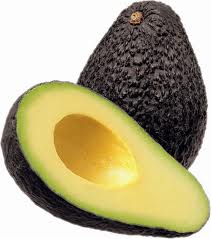
I love taking a barely soft avocado and cutting through the dark green, almost black, rough-textured skin all the way to and around the seed, then separating the halves to expose the creamy yellowish-green flesh! Yum! I love to scoop the flesh out into a bowl and make fresh guacamole, or smear it on a slice of dense, whole grain bread with a little salt and lime juice to eat just like that or on a sandwich instead of mayonnaise (even vegan mayonnaise).

Avocados, which are also called alligator pears because of their pear-shape and the alligator-skin appearance of their rough-textured skin (California (Haas) avocados), are actually a fruit. Avocados have many health benefits.

Avocados, considered by many to be a superfood, are a good source of potassium, magnesium, and folate, and also have vitamins A (carotenoids), E, and K. Folate makes avocados a top brain-healthy food (1), helping to prevent Alzheimer’s disease. The high potassium content in avocados helps reduce your blood pressure. The carotenoid leutein, an antioxidant, protects your eyes from oxidation that can cause poor vision, cataracts, and macular degeneration. Avocados are high in both soluble and insoluble fiber, which fills you up, aids your body in absorbing nutrients, cleans your intestinal system out, and keeps you regular. The fat in avocados are monounsaturated fats and omega-3 fats, which boost heart health and help lower blood pressure. Beta-sitosterol, a phytonutrient in avocado fat, has been clinically proven to lower LDL (bad) cholesterol and blood triglyceride levels while raising HDL (good) cholesterol levels. And avocados are rich in polyphenols and flavonoids, plant phytonutrients that reduce inflammation.

I enjoyed half an avocado with lunch today! Hopefully you've enjoyed some avocado too!

Resources
  1. http://www.naturalnews.com/040067_avocado_cancer_prevention_superfood.html
  2. http://en.wikipedia.org/wiki/Avocado


2 Comments
<<Previous

    Terri Quenzer, PhD

    Terri has a passion for good health and for helping others find happiness in themselves through better health! Through her scientific and life experiences, her goal is to help you reach your healthy goals!

    ​Be The Healthy U!: nominated for San Diego's Best Nutrition/Cooking Classes of 2016!

    Picture
    Catch Terri's interview about plant-based nutrition on KCQB 1170 AM - click here.

    How Not to Die: Terri interviews New York Times Bestselling Author Michael Greger, MD. Listen below.
    Terri speaks with Jordan Hoffman of Jordan Hoffman Acupuncture about what to eat and East vs West.
    Picture

    Click Here To Sign Up For Your Free Newsletter

    RSS Feed

    Archives

    September 2017
    May 2017
    January 2017
    December 2016
    November 2016
    October 2016
    September 2016
    August 2016
    June 2016
    November 2015
    October 2015
    September 2015
    May 2015
    April 2015
    February 2015
    January 2015
    November 2014
    October 2014
    August 2014
    July 2014
    June 2014
    May 2014
    April 2014
    March 2014
    February 2014
    January 2014
    December 2013
    November 2013
    October 2013
    September 2013
    August 2013
    July 2013
    June 2013
    February 2013
    January 2013
    December 2012
    November 2012
    October 2012

    Categories

    All